

Technical Evidence
Technical evidence is specialized data, documentation, analysis, or expert-backed material used to support claims, audits, investigations, legal proceedings, or compliance reviews. Technical evidence guidelines help ensure this process is accurate, reliable, transparent, and defensible.
Technical evidence powers confident AI audit decisions. Download The ROI of AI Audits: Executive Playbook to quantify risk, compliance, and business value.
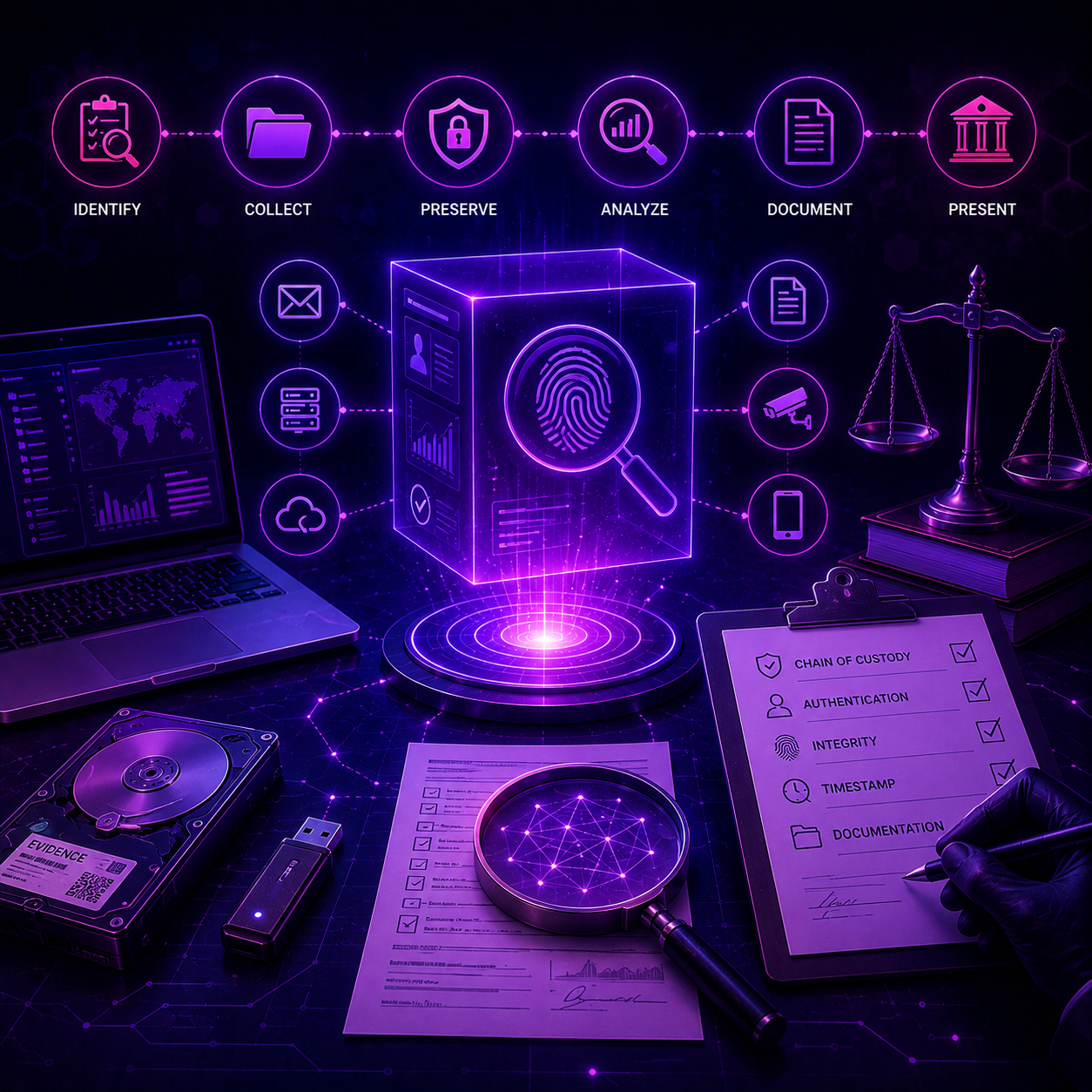
Essential Factors in Technical Evidence
Technical evidence must be accurate, reliable, understandable, and properly documented. Strong technical evidence usually depends on the following factors:
Accuracy and Reliability
Technical evidence should be based on verified data, tested methods, and credible sources. Courts and auditors often look for whether the evidence was created using accepted procedures and whether the findings can be independently reviewed.
Expert Interpretation
Complex technical facts often require expert explanation. Expert witnesses help judges, juries, auditors, regulators, or decision-makers understand specialized evidence and its relevance.
Chain of Custody
For digital, forensic, or physical evidence, the chain of custody shows who collected, handled, transferred, stored, and reviewed the evidence. This helps prove that the evidence was not altered or compromised. Digital evidence guides commonly emphasize chain of custody, authentication, and integrity controls.
Documentation
Technical evidence should be supported by clear documentation. In audits, documentation records the procedures performed, evidence gathered, and conclusions reached.
Authentication
Evidence must often be shown to be genuine. For example, logs, emails, metadata, screenshots, reports, test results, and forensic images may need validation before they can be trusted.
Clear Presentation
Technical findings should be explained in simple, structured language. Overly complex jargon can weaken evidence because non-technical audiences may not understand its meaning or importance.
Why Technical Evidence Matters
Technical evidence matters because it helps decision-makers evaluate complex facts with confidence. It can support legal claims, prove compliance, explain system behavior, identify root causes, and validate expert conclusions.
Key reasons technical evidence matters include:
- Helps explain complex technical issues
- Supports legal, audit, regulatory, and business decisions
- Reduces reliance on assumptions or opinions
- Strengthens credibility in investigations and disputes
- Helps prove whether systems, products, or processes worked correctly
- Supports compliance with standards, controls, and policies
- Makes expert findings easier to review and verify
In digital investigations, for example, evidence must often be lawfully collected, authenticated, and clearly presented to withstand scrutiny.
Benefits of Strong Technical Evidence
Strong technical evidence improves the quality and credibility of decisions. It allows organizations, courts, auditors, and regulators to rely on facts rather than unsupported claims.
Key benefits include:
- Improves trust in findings
- Supports defensible decisions
- Helps resolve disputes faster
- Strengthens audit and compliance readiness
- Reduces legal and operational risk
- Makes complex findings easier to explain
- Helps identify root causes of failures or incidents
- Supports better internal governance
For compliance teams, audit-ready documentation connects controls to the evidence that proves they worked, such as access reviews, approvals, configuration checks, and policy records.
Common Types of Technical Evidence
Technical evidence can appear in many forms depending on the case, industry, or investigation.
Digital Evidence
This includes emails, server logs, device records, metadata, cloud activity, browser history, database records, files, timestamps, and forensic images.
Scientific Evidence
This includes laboratory results, testing reports, research findings, measurements, samples, and scientific analysis.
Engineering Evidence
This includes design drawings, product testing, failure analysis, inspection reports, calculations, and technical specifications.
Cybersecurity Evidence
This includes SIEM logs, access records, vulnerability scans, incident reports, malware analysis, firewall logs, and endpoint data.
Audit and Compliance Evidence
This includes policies, screenshots, approvals, control records, system exports, access reviews, training logs, and compliance reports.
Expert Reports
These are written opinions prepared by qualified experts who analyze technical facts and explain their conclusions.
Best Practices for Managing Technical Evidence
Organizations can strengthen technical evidence by following consistent evidence management practices.
Best practices include:
- Define the purpose of the evidence clearly
- Collect evidence from reliable sources
- Preserve original files and records
- Maintain the chain of custody where required
- Use validated tools and accepted methods
- Record who collected, reviewed, and approved the evidence
Summary
Technical evidence is a critical part of legal cases, audits, investigations, compliance reviews, and technical decision-making. It helps explain complex facts through reliable data, expert analysis, documentation, and structured presentation.
Strong technical evidence should be accurate, authentic, well-preserved, clearly documented, and easy to understand. Whether used in digital forensics, cybersecurity, engineering, audits, or litigation, technical evidence helps decision-makers rely on facts instead of assumptions.
Frequently Asked Questions
Here you can find the most common questions.
What is technical evidence?
Technical evidence is specialized information, data, documentation, analysis, or expert testimony used to support a technical claim, legal case, audit, investigation, or compliance review.
What are examples of technical evidence?
Examples include system logs, forensic reports, test results, engineering drawings, expert reports, cybersecurity records, metadata, audit documentation, screenshots, and scientific analysis.
Why is technical evidence important?
Technical evidence is important because it helps prove complex facts, support expert conclusions, reduce assumptions, and make legal, audit, or business decisions more reliable.